The World Sticker Ritual Changed Hands
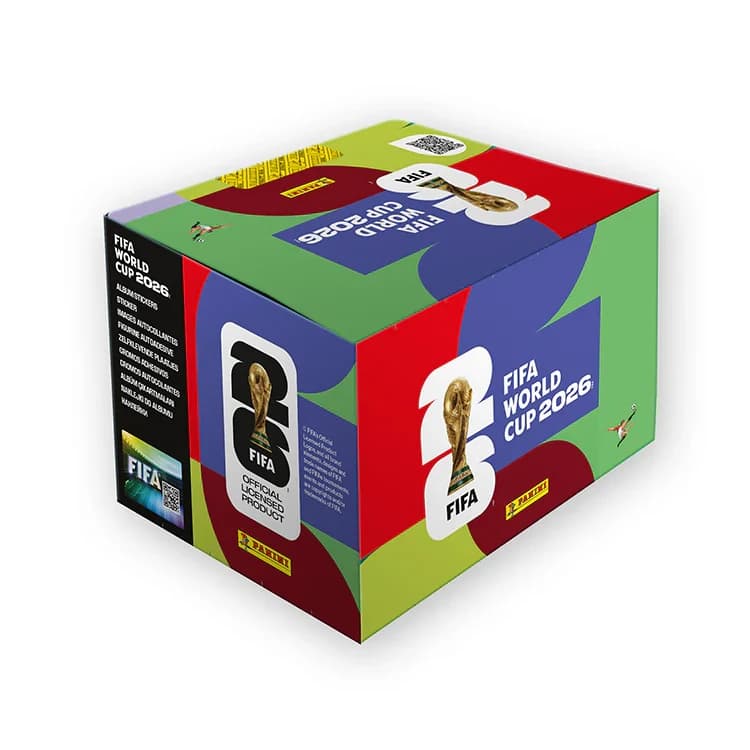
FIFA's long-running sticker and trading-card license is moving from Panini to Fanatics-owned Topps in 2031. Reuters reported that the agreement ends a partnership that made Panini the World Cup sticker language for generations, beginning with the 1970 tournament.
This is not only a licensing story. World Cup stickers are one of the most widely understood collecting rituals on earth. They live in schools, kitchen tables, newsstands, stadium trips, and family memory. They taught millions of people the pleasure of opening, sorting, trading, and completing a set.
Fanatics and Topps are inheriting more than a product line. They are inheriting a ritual. That is why the handoff matters. The modern collectibles industry wants technology, patches, authenticated relics, live events, and better product design. World Cup stickers carry something more fragile: repetition, place, and childhood memory.
The challenge is obvious. Topps can modernize the product, but it cannot make the ritual feel engineered. The sticker album works because it is simple, social, and global. It belongs to the sport before it belongs to the market.
For PRVNCE, this is one of the clearest examples of collectibles as cultural infrastructure. Stickers are small objects, but the habit around them is enormous.
Involved: FIFA, Fanatics, Topps, Panini, World Cup sticker albums, football collecting